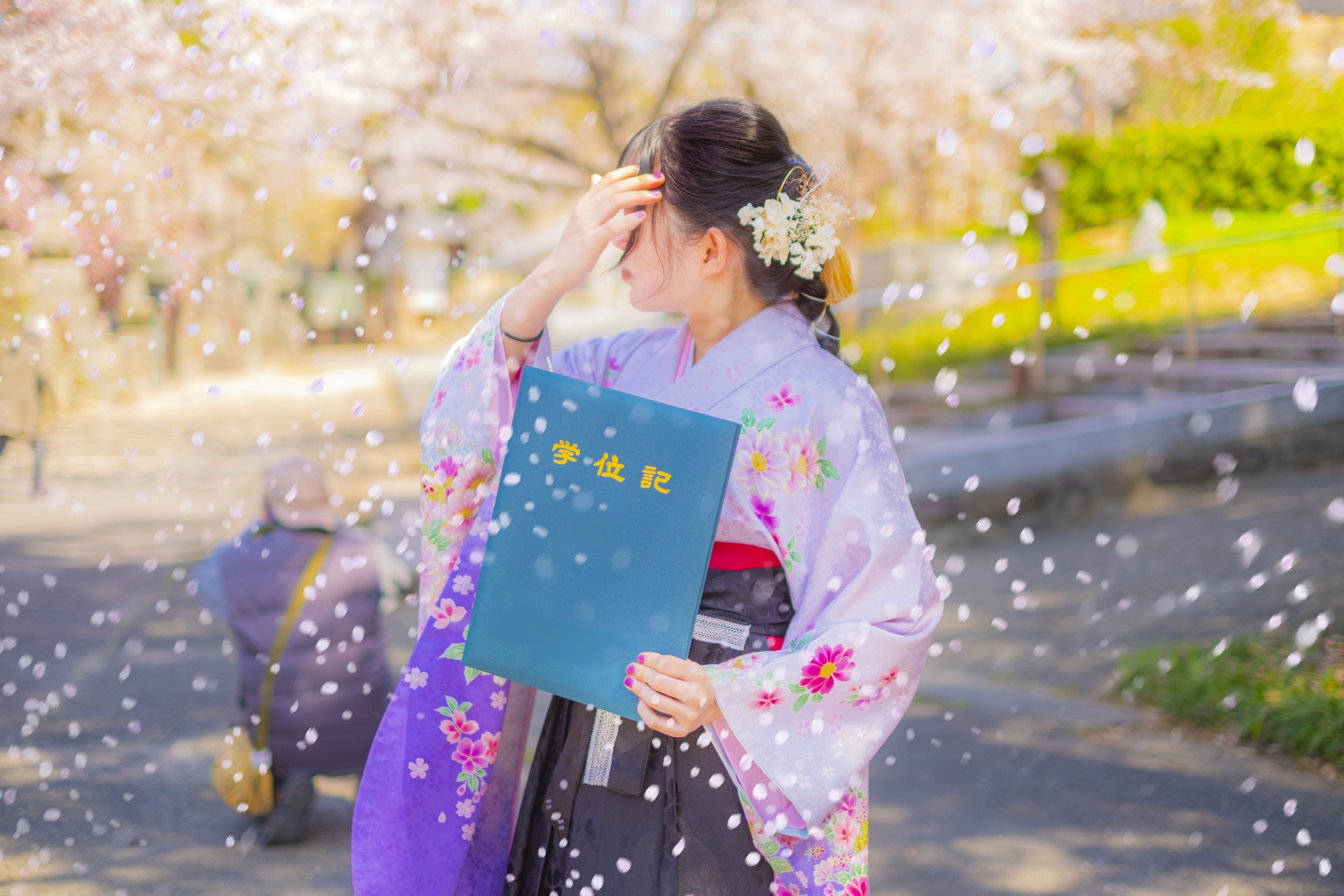
The vernal equinox in 2023 is on March 21.
According to the fixed-air method, this is when the solar longitude is 0 degrees (the moment the sun passes through the vernal equinox). According to the equinox method, it will be around March 23, approximately 91.31 days after the winter solstice. From there, about 15 days will be known as the vernal equinox.
The seven days from three days before the vernal equinox are called the Spring equinox. The phrase “hot and cold last until the other side of the equinoxes” can be said to mean that it is around this time that the cold begins to abate.
Vernal Equinox Day is a national holiday in Japan, but the day is different every year. The National Astronomical Observatory of Japan determines the day of the moment of the vernal equinox each year, or the moment when the sun passes through the vernal equinox, based on the fixed-air method. This is due to the fact that the earth’s orbit is not purely 365 days, but deviates by about 6 hours each year.
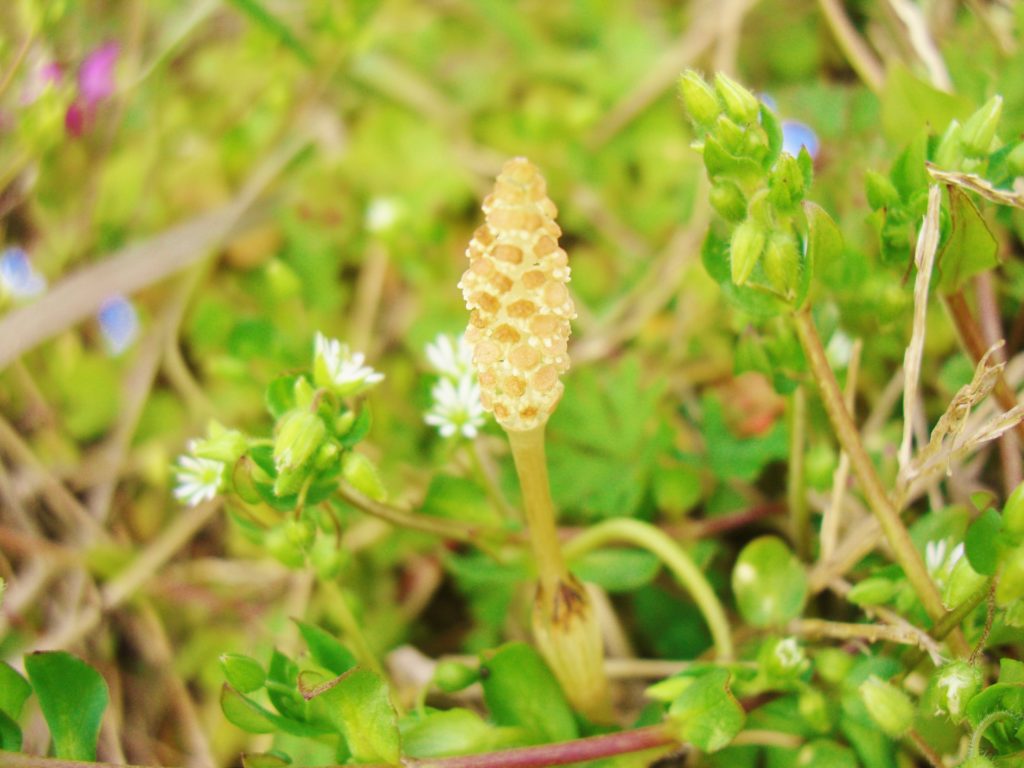
Traditonal custom (風習)
Seeding Time The day of “Tsuchinoe” closest to the vernal equinox is called “Shanichi” in spring. Sha” refers to the deity “Ubusunagami” (the land of one’s birth), and in spring people visit this deity to pray for a bountiful harvest. In Japan, which is an agricultural society, this is an important time of year. (In the autumn, we pray for a good harvest and visit the deity of the land of origin.)
Spring Higan (the equinoctial equinox) The higan (the equinoctial equinox) refers to the paradise where one is free from worldly desires (the world in which we live). (The world in which we live is called “this shore”.) It is said that the time of year when day and night are equal is the time when the two are closest to each other. Therefore, people take this opportunity to make offerings to their ancestors and pray that they will be able to go to the Pure Land of Ultimate Bliss.
Botamochi It is customary to offer Botamochi to ancestors on the far shore. The red color of azuki beans is said to ward off evil spirits.

Seventy Two Appearances (七十二候)
The 24 seasons each divide three seasons and further express the subtle changes in seasons. These are referred to as the “72 appearances” and were commonly used, especially in agriculture, in ancient Japan and China.
初候 (1st 5days) (Japan)雀始巣 Sparrows begin to set up their nests.
(China)玄鳥至 Swallows come from the south.
次候 (2nd 5days) (Japan)桜始開 Cherry blossoms begin to bloom.
(China)雷乃発声 Starts to hear thunder in the distance.
末候 (Last 5days) (Japan)雷乃発声 Starts to hear thunder in the distance.
(China)始雷 Lightning flashes for the first time.


コメント