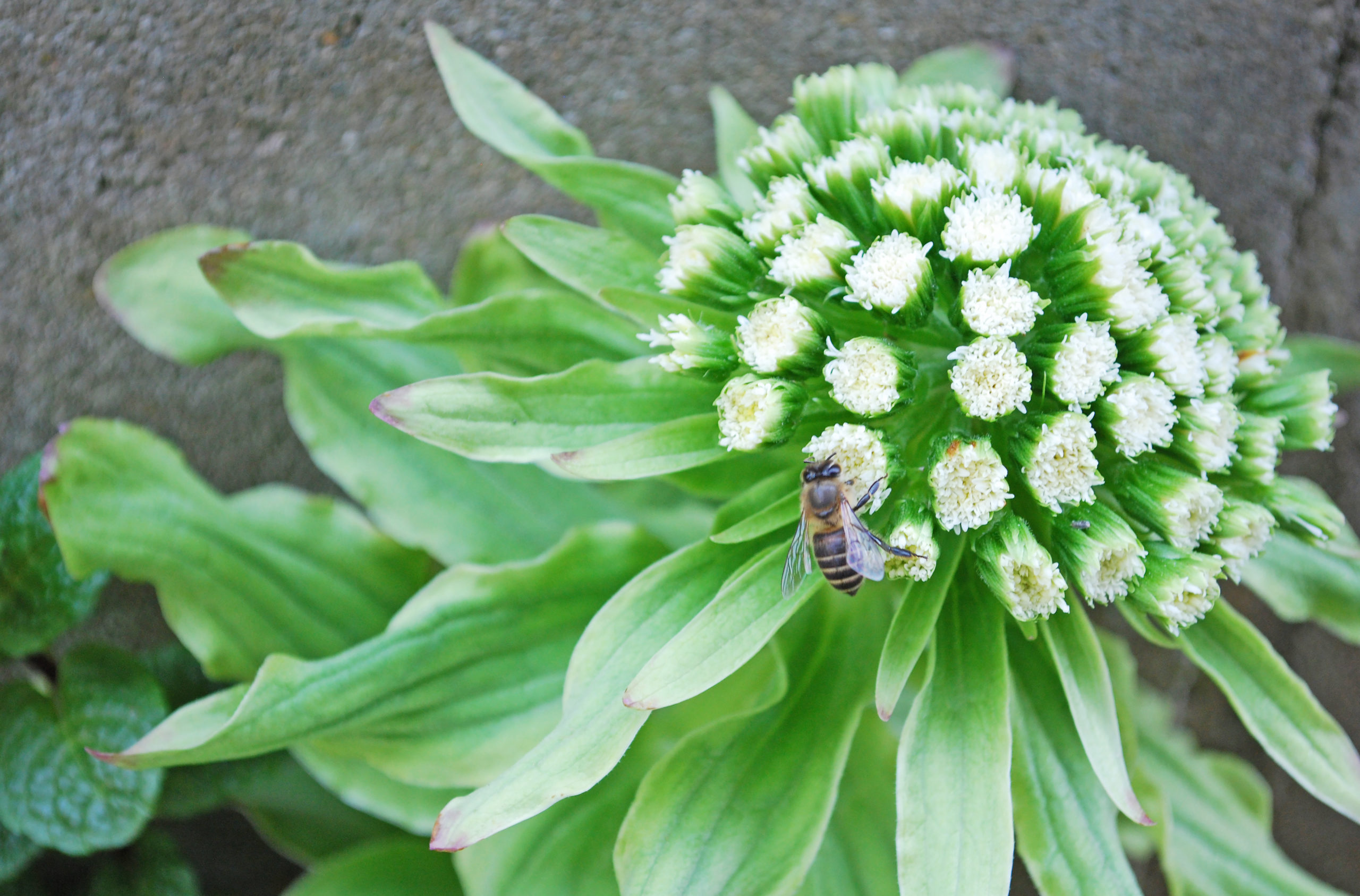
Keichitsu in 2023 is March 6.
According to the fixed-weight method, it is when the solar longitude is 345 degrees. According to the equilibrium method, it will be around March 8, approximately 76.09 days after the winter solstice. From there, about 15 days will be known as “Keichitsu”.
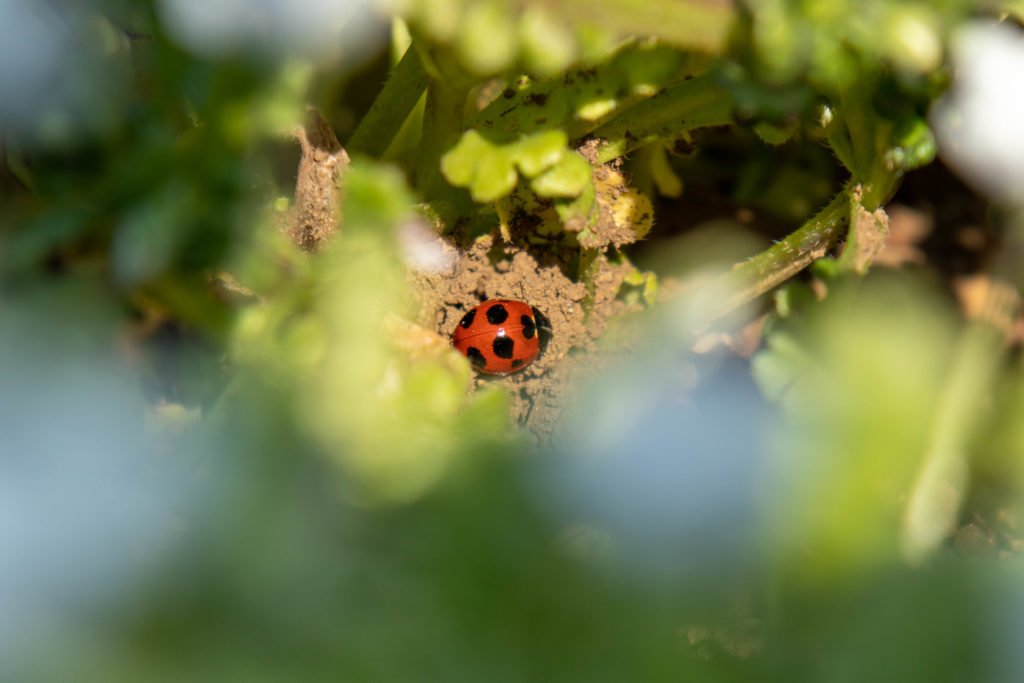
This is the time when the weather becomes warmer and insects that have been hibernating emerge from the ground. According to the “Koyomi Handbook,” “the sun’s rays will stir in the earth, and the insects that have been shrinking will open their holes and emerge.”
The word “kei” means to open, as in “self-development,” and it evokes an image of openness. The word “chitsu” means an insect’s retreat into the ground or other hiding place. However, it is not limited to insects; frogs, snakes, etc., whose “kanji” characters are also biased toward insects, are also treated in the same way.
Traditional custom (風習)
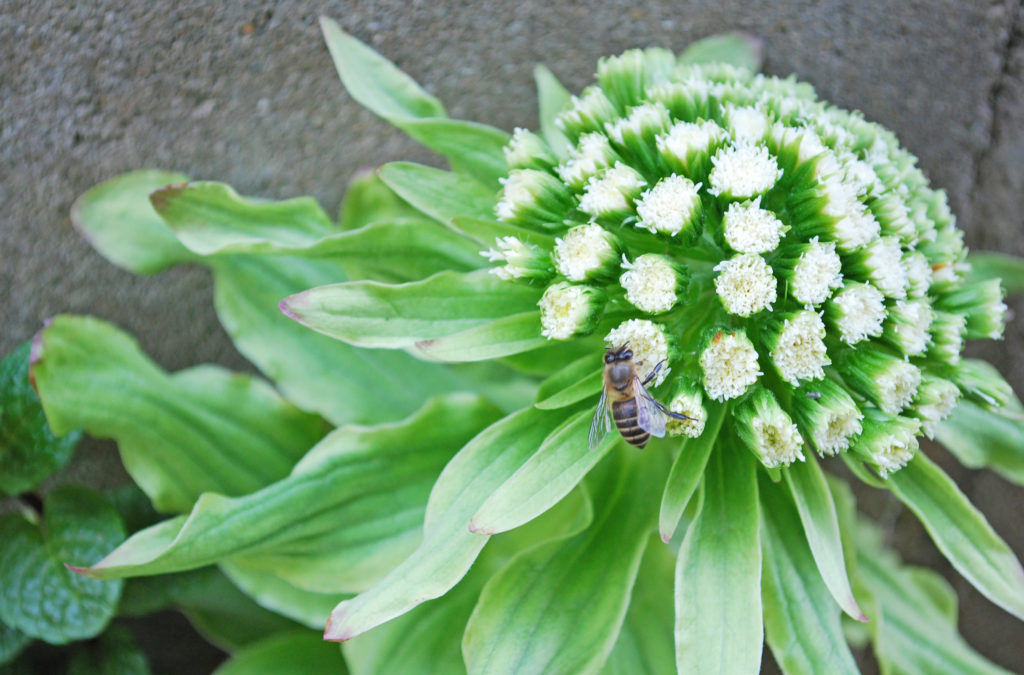
It is customary to eat wild vegetables during this season. Spring wild vegetables (mugwort, butterbur sprouts, and cod sprouts) have a bitter taste, and it is said that this bitterness releases the poison that was trapped in the body during the winter.
In some regions, it is customary to remove the “Komomaki” (straw wrapping). The straw wrappings are wrapped around the trunks of trees during the winter to protect them from cold and pests, and are removed when spring arrives.
Seventy Two Appearances (七十二候)
The 24 seasons each divide three seasons and further express the subtle changes in seasons. These are referred to as the “72 appearances” and were commonly used, especially in agriculture, in ancient Japan and China.
初候 (1st 5days) (Japan)蟄虫啓戸 The winter hibernating insects come out.
(China)桃始華 Peach blossoms begin to bloom.
次候 (2nd 5days) (Japan)桃始笑 Peach blossoms begin to bloom.
(China)倉庚鳴 Kura-keng (Korai-wuwisu) begin to sing.
末候 (Last 5days) (Japan)菜虫化蝶 Caterpillar hatches and becomes a monshiro butterfly.
(China)鷹化為鳩 A hawk transforms itself into a dove.


コメント