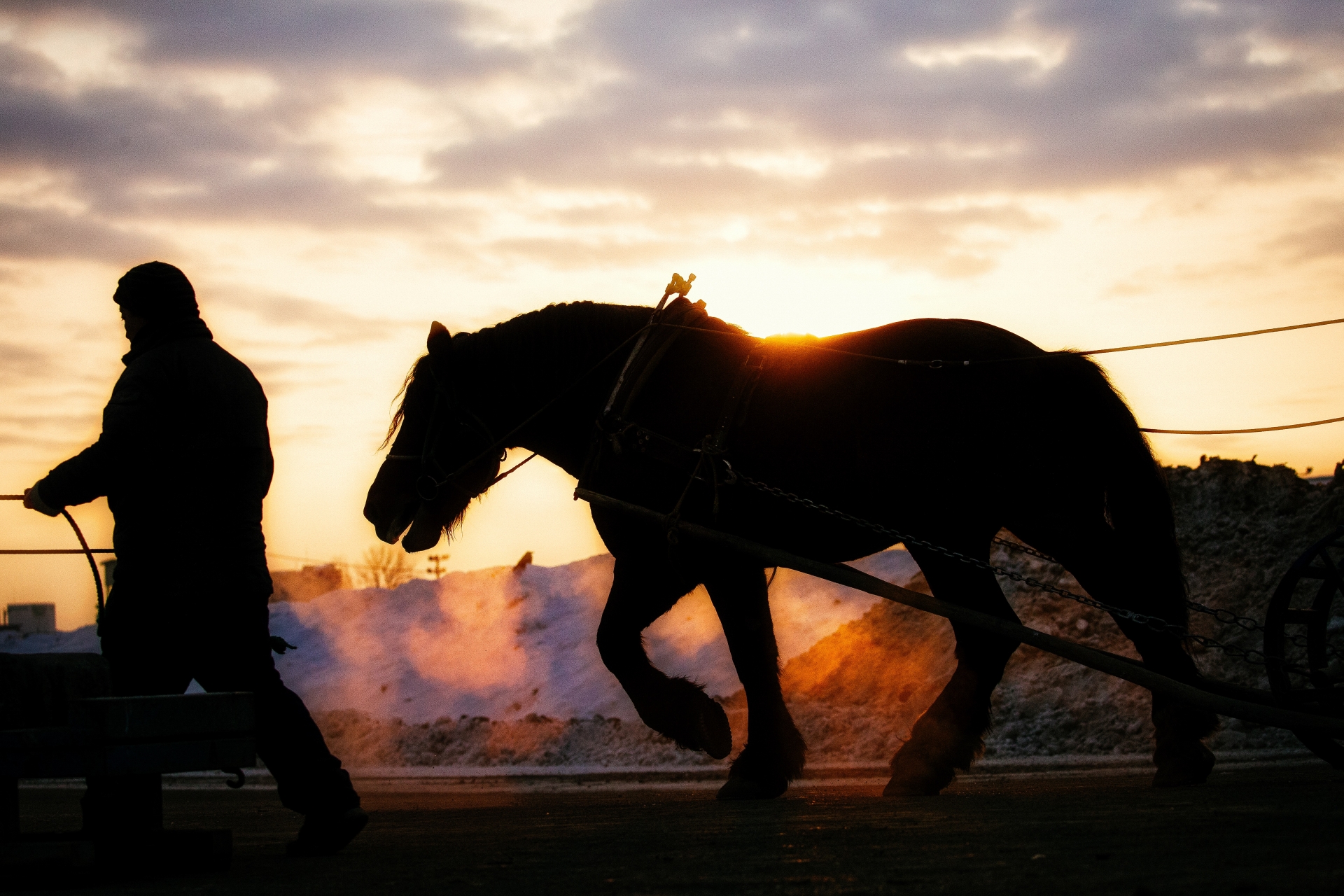
“Daikan” in 2023 is on January 20 or 21.
According to the fixed-weight method, it is when the solar longitude is 300 degrees. According to the equilibrium method, it will be on January 20, about 30.44 days after the winter solstice. From there, about 15 days will be known as “Daikan”.
According to the “Koyomi Handbook,” this is the time of year when the cold is at its most severe, and “The coldness of the season is extremely severe.”
“Daikan” and “Shokan” (from January 5) together are called the end of the cold season. This is the coldest season of the year. In the 24 seasonal divisions, “Daikan” is considered to be the last of the season, since “Risshun”, the next seasonal division after “Daikan”, is considered to be the beginning of the year.
Traditional custom (風習)
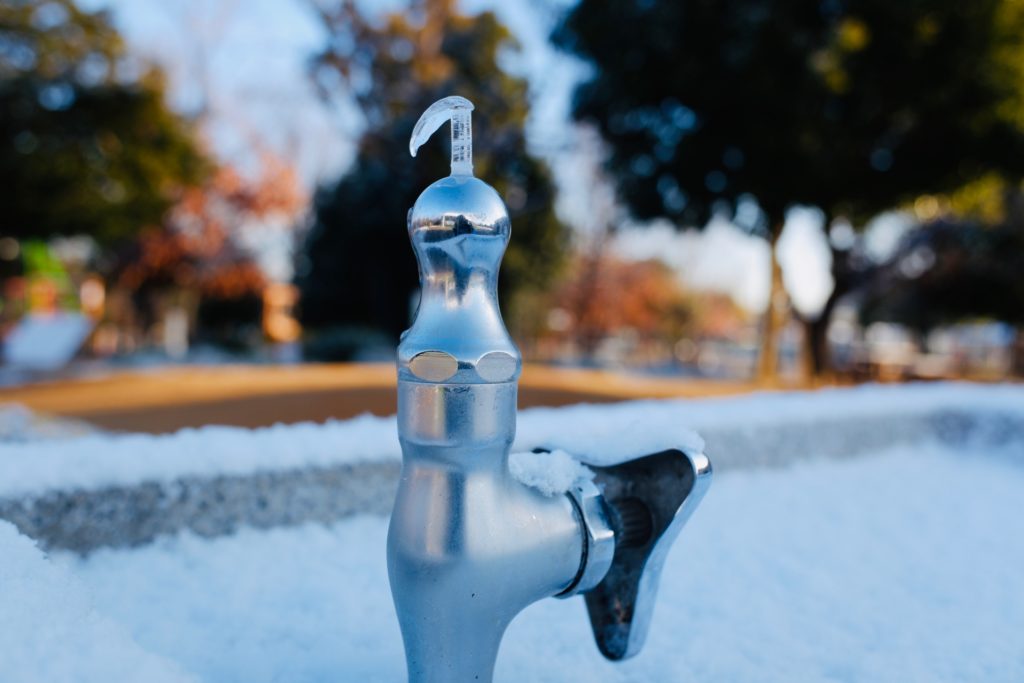
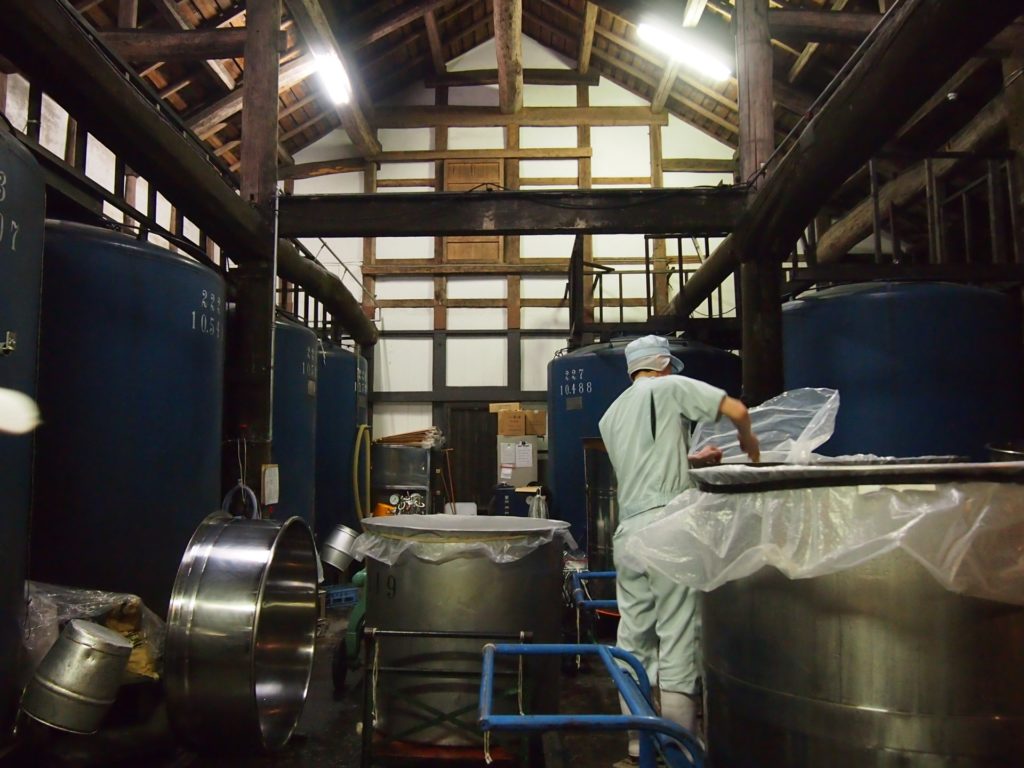
“Kanzukuri” or “Kanjikomi” refers to foods that take advantage of the cold weather (frozen tofu, agar, sake, miso, etc.), and this time of year is considered the best time to brew them. Water drawn in the cold is called “Kan-no-Mizu” (water of the cold), and it is said that sake, miso, and soy sauce made with this water, which contains few impurities and bacteria, will taste better. Sake is slowly fermentated under low temperatures, resulting in better quality.
In the old days, it was said, “Lessons begun in the cold will improve”. To purify the body and mind and practice during this time of year is called “kangori,” or “cold purification. “Misogi”, such as bathing in cold water or being hit by a waterfall, is also performed.
In the martial arts, “kan-geiko” (cold training) and in traditional arts such as “shamisen” (a three-stringed Japanese instrument), “kanzarai” (cold re-training) are examples of “kangori”. In modern times, it is rarely performed.
Seventy Two Appearances (七十二候)
The 24 seasons each divide three seasons and further express the subtle changes in seasons. These are referred to as the “72 appearances” and were commonly used, especially in agriculture, in ancient Japan and China.
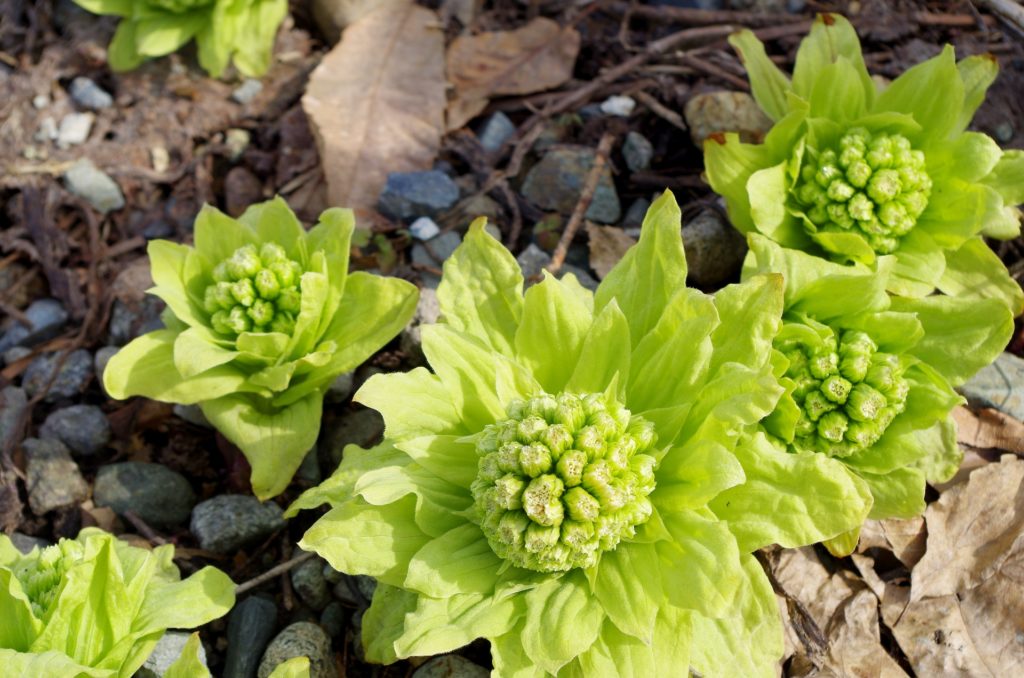
初候 (1st 5days) (Japan)款冬華 Butterbur flower buds emerge.
(China)鶏始乳 Chickens begin to lay eggs.
次候 (2nd 5days) (Japan)水沢腹堅 The ice is thick on the stream.
(China)鷙鳥厲疾 Eagles, hawks, etc. begin to fly high and fast in the sky
末候 (Last 5days) (Japan)鶏始乳 Chickens begin to lay eggs.
(China)水沢腹堅 The ice is thick on the stream.

コメント