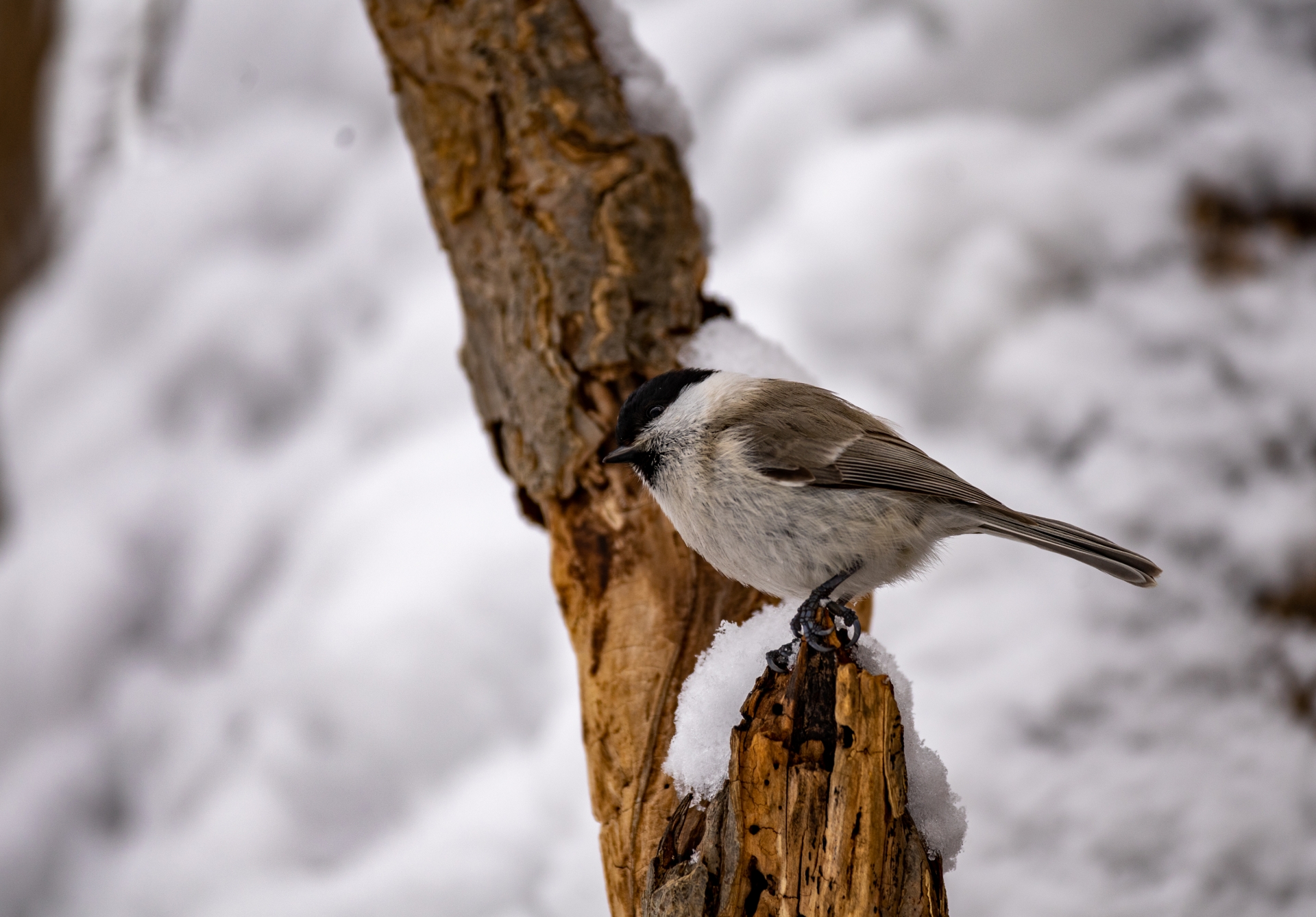
“Daisetsu” in 2023 is on December 7 or 8.
According to the constant air method, this is when the solar ecliptic longitude is 255 degrees. By the equatorial method, it will be on December 7, about 350.02 days after the winter solstice. From there, about 15 days will be known as “Daisetsu”.
This means the time when snow begins to fall heavily. The “Koyomi Handbook” explains it as “the time when the snow finally begins to fall”. In Honshu, Japan, there are no signs of snowfall yet, but for people in the past, especially those engaged in agriculture, it was the beginning of preparations for snow.
“General Winter” was the cause of Napoleon’s defeat when he marched into Russia. It refers to the “Siberian cold air mass,” a cold wave brought from Siberia, and this “General Winter” also arrives in Japan at this time of year.
Other seasonal symbols include “Kazahana” (snow fluttering in the clear blue sky) and “fuyu-biyori” (a mild, clear winter day), both of which are harbingers of winter.

Traditional custom (風習)
December 8 is “Kotoyoka”, when people pray for good health by eating “okotojiru”, a miso soup containing root vegetables.
December 8 is “Kotohajime”(Start to do something) in some places and “Kotoosame”(Stop doing something) in others, and there is a custom to make a “Hari Kuyo” (offering of needles).
December 13 is called “Susu-harai”, and people start preparing for the New Year’s holiday after clearing away the soot. This is called “major cleaning”. However, nowadays, most people probably do the cleaning at the end of the year.
After “Susu-harai” is done, it is customary to arrange “Oseibo”(year-end gifts). It is a good idea to prepare your year-end gift around this date.
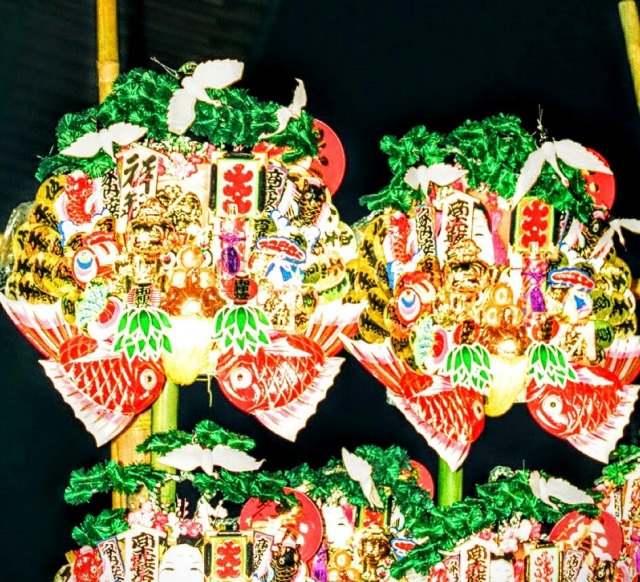
“Hagoita-ichi” is one of the “year-end fairs” held every year on December 17, 18, and 19 at Senso-ji Temple in Asakusa, Tokyo. It is thought to have been established for the purchase of New Year’s goods and lucky charms. Nowadays, the “year-end market” at local supermarkets has become more famous.
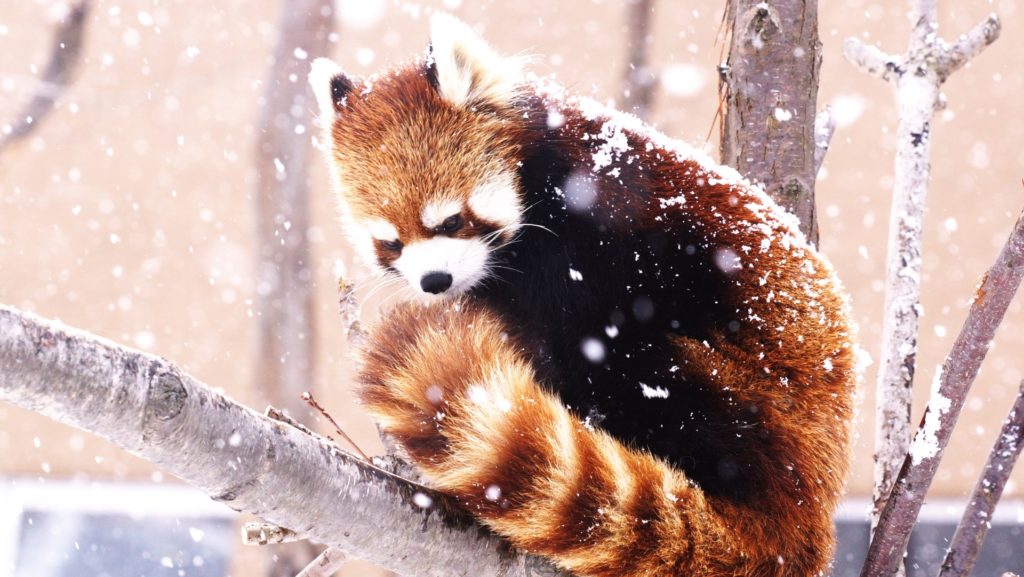
It is also the time when creatures go into hibernation. Frogs and bears, for example, rest their bodies during the long winter and once again begin their activities around the time of “Keichitsu” in early February.
Seventy Two Appearances (七十二候)
The 24 seasons each divide three seasons and further express the subtle changes in seasons. These are referred to as the “72 appearances” and were commonly used, especially in agriculture, in ancient Japan and China.
初候 (1st 5days) (Japan) 閉塞成冬 Atmosphere of heaven and earth is blocked up and winter sets in.
(China) 鶡鴠不鳴 Mimi pheasants (birds) stop singing.
次候 (2nd 5days) (Japan) 熊蟄穴 Bear hides in hole for hibernation.
(China) 虎始交 Tigers begin to mate.
末候 (Last 5days) (Japan) 鱖魚群 Salmon swarm up the river
(China) 茘挺出 Screw irises begin to sprout.


コメント