“Shunbun” in 2023 is on September 23 or 24.
According to the equinox method, this is when the solar ecliptic longitude is 180 degrees. According to the equinox method, it will be about 273.93 days after the winter solstice, 3/4 of a year after the winter solstice, which is around September 21. From there, about 15 days will be known as “Shubun”.
In Japan, there is a holiday (national holiday) called “Autumnal Equinox Day”, which is different from the 24 Seasonal Days of Autumn, but this day changes every year. This is because the National Astronomical Observatory of Japan determines the day every year based on the regular weather method. Ordinary national holidays are political in nature and are decided by a cabinet meeting, but the decision of a holiday based on astronomy is a rarity in the world.
Like the vernal equinox, “Shubun” is the day when the hours of day and night are approximately equal. This day is also known as the middle day of the equinoxes. Three days before this day is called “Higan-iri” and three days after is called “Higan-ake”. Incidentally, “Shunbun” (Spring Equinox) is called “Shun Higan”.
Traditional custom (風習)
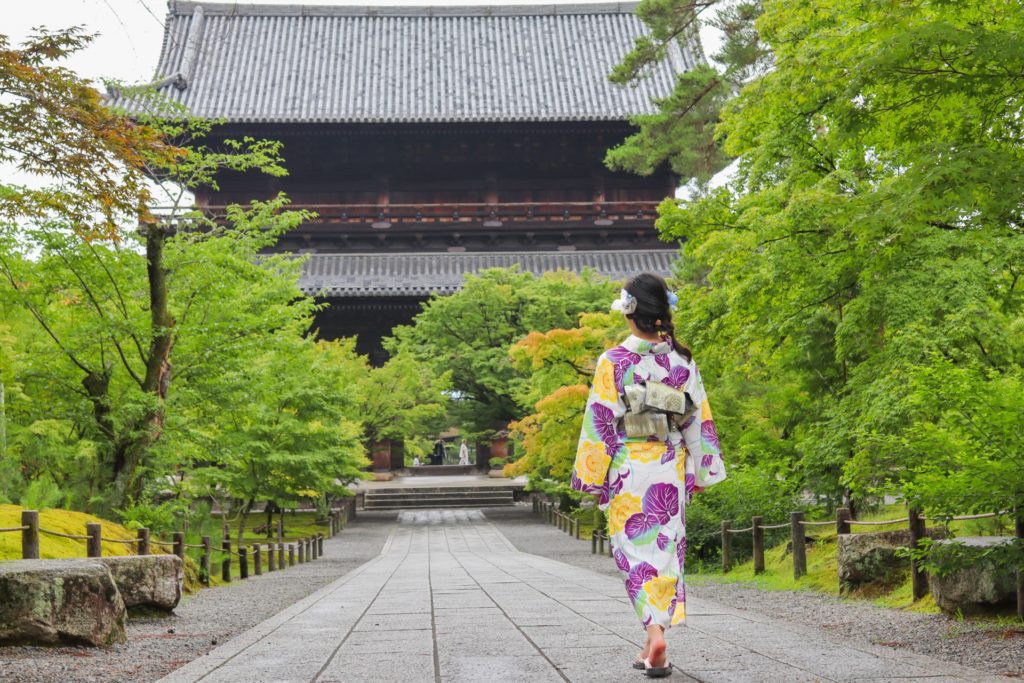
“Higan”(Other shore) is an ancient Japanese custom, said to have continued since the Heian period. In Buddhism, it refers to the world where our ancestors live. The present world in which we live is called “Shigan” (this shore).
Since the length of day and night are almost equal at the vernal equinox and the autumnal equinox, they are considered to be the days when the other shore and this shore are closest to each other. Therefore, it became customary to make offerings to ancestors and express gratitude.
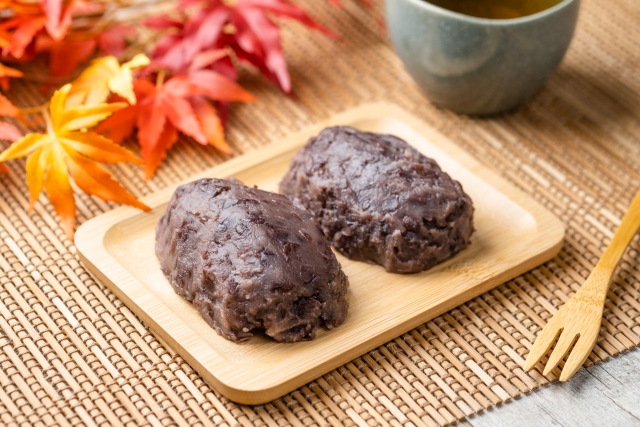
An interesting difference between the Vernal Equinox and the Autumnal Equinox is the “Ohagi” (Sweets). On the autumnal equinox, “Ohagi” is eaten, while on the vernal equinox, “botamochi”(Sweets) is eaten. Both look very similar, but each takes its name from the flower of the season. “Ohagi” is the “hagi” flower and “botamochi” is the peony.
Flower of “Higan” is “manjushage” flower. In Japan, this “kanji” can be read as “higan” flower (though it is a guess). In Buddhism, it means flower blooming in the heavenly realm.
It is sometimes called “ghost flower” or “flower of the dead” because it is often seen in cemeteries and rice paddy fields. This “manjushage” is a highly poisonous flower. The bulbs in particular contain a lot of poison. Although it looks a little scary, it also protects crops from pests and vermin, and was indispensable to Japan in the old days when it was an agricultural society.

Seventy Two Appearances (七十二候)
The 24 seasons each divide three seasons and further express the subtle changes in seasons. These are referred to as the “72 appearances” and were commonly used, especially in agriculture, in ancient Japan and China.
初候 (1st 5days) (Japan・China) 雷乃収声 The thunder will stop rumbling.
次候 (2nd 5days) (Japan・China) 蟄虫坏戸 Insects plug holes they dig in the soil.
末候 (Last 5days) (Japan・China) 水始涸 Begin to dry out the fields.

コメント