“Risshū” in 2023 is on August 7 or 8.
According to the fixed-weight method, it will be when the solar longitude is 135 degrees. According to the equilibrium method, it will be August 8, approximately 228.28 days after the winter solstice. From there, about 15 days will be known as “Risshu”.
The word “autumn” finally appears as “shu” means “autumn”, but in reality, it means the time when summer has reached its peak. In this context, a slight hint of autumn can be felt, so the term “Risshu” is used to indicate that a sign of autumn is starting to emerge.
Since the 24 seasons were created in China, signs of autumn can be seen in continental climates, but in Japan, which has an oceanic climate, the heat wave will continue for some time, and this is why it is called “lingering summer”.
Traditional custom (風習)
The most common custom in Japan is the “Bon” vacation. This is a period during which children can experience various things during the summer vacation from school. It is also a good opportunity for children to meet relatives they would not normally see.
“Zansho omimai” (Late-summer greeting cards) are also a custom during this time of year. Unlike in China, this custom is unique to Japan, where the heat remains even during this time of the year.
Many events involving fire are held during this season. Fireworks festivals are held in various places, and there are more opportunities to enjoy the cool of the evening. Kyoto’s “Gozan Okuribi” is the most famous event that uses fire, and is held on August 16, attracting many tourists.
“Tanabata” is a well-known July event, but in some areas, “Tanabata Matsuri” is held on August 7. The Sendai Tanabata Festival is one of the most famous.
In terms of food, peaches are at their best during this season.

Seventy Two Appearances (七十二候)
The 24 seasons each divide three seasons and further express the subtle changes in seasons. These are referred to as the “72 appearances” and were commonly used, especially in agriculture, in ancient Japan and China.
初候 (1st 5days)(Japan・China) 涼風至 A cool breeze begins to blow.
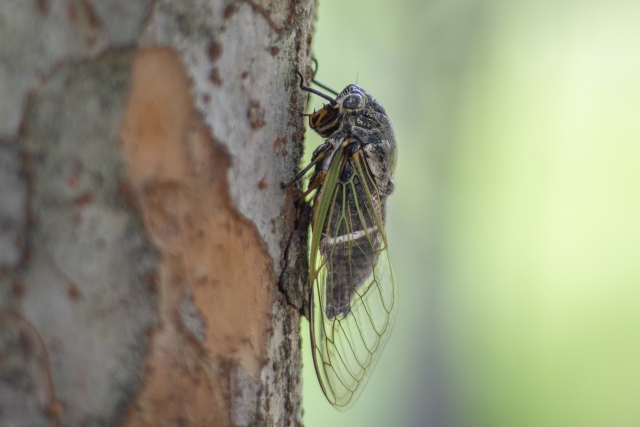
次候 (2nd 5days) (Japan) The evening cicada begins to chirp.
(China) 白露降 Morning fog begins to fall.
末候 (Last 5days) (Japan) 蒙霧升降 A deep fog rolls in.
(China) 寒蝉鳴 The evening cicada begins to chirp.


コメント