
“Shosho” in 2023 is on July 7 or 8.
According to the fixed-weight method, it is when the solar longitude is at 105 degrees. According to the equilibrium method, it will be July 7, approximately 197.84 days after the winter solstice. From there, about 15 days will be known as “Shosho”.
As the name suggests, it is based on the physical feeling of the season, that it is getting a little hotter.
The period between “Shosho” and “Risshu” is called “Shochu”, and “Shochu Omaimai”(Greeting card) is sent during this period. Around July 20, the end of “Shosho”, we enter the summer “Doyou” (a seasonal season based on the five elements).
The five elements: wood, fire, earth, metal, and water. In the past, they were considered to be the elements of universal composition. It has a philosophical meaning that indicates all events in the universe.

Traditional Custom (風習)
At the beginning of “Shosho”, there is the “Tanabata” Festival. It is good to make “Tanabata” decorations, make wishes on strips of paper, and gaze at the night sky. It is also fun to wear “yukata” (light cotton kimono) and eat “somen” noodles at the porch of the house.
As we approach the end of “Shosho”, we enter the summer “Doyo” (summer season). During this period, there is a custom to eat “Doyou mochi” (rice cakes), “Doyou tamago” (eggs), and “Doyou clam” (clams). On the day of the Ox in “Doyou”, it is customary to eat things with the “U” in them, such as “Unagi” (eels), and to take an “Ushiyu” (ox bath).

Seventy Two Appearances (七十二候)
The 24 seasons each divide three seasons and further express the subtle changes in seasons. These are referred to as the “72 appearances” and were commonly used, especially in agriculture, in ancient Japan and China.
初候 (1st 5days) (Japan・China) 温風至 A warm breeze is blowing.
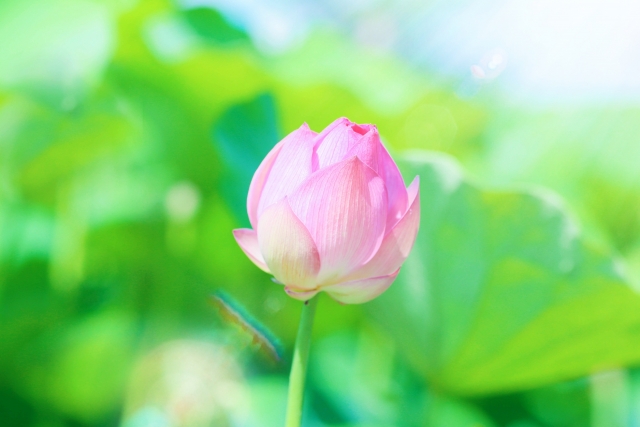
次候 (2nd 5days) (Japan) 蓮始開 Lotus flowers begin to open.
(China) 蟋蟀居壁 Crickets chirping behind the wall.
末候 (Last 5days) (Japan・China) 鷹乃学習 Young hawks learn to fly.


コメント