“Geshi” in 2023 is on June 21 or June 22.
According to the fixed-air method, it is when the solar ecliptic longitude is 90 degrees. According to the equilibrium method, it will be around June 22, about 182.62 days six months after the winter solstice. From there, about 15 days are called “Geshi”.
In the Northern Hemisphere, this is the day with the longest daylight hours (sunrise to sunset) of the year.
Since most of Japan is in the midst of the rainy season, the length of the day can be difficult to notice.

Traditional custom (風習)
It is said that “Geshi” or “Hansatsu-sho” (around July 1) marks the end of rice planting.
Around that time, wheat could be harvested just in time, and since long ago, farmers have had the custom of making “Han-ge-sho-mochi” (rice cakes) and offering them in the corner of the rice paddies before eating them.
In the Kansai region, there was also a custom of eating octopus.
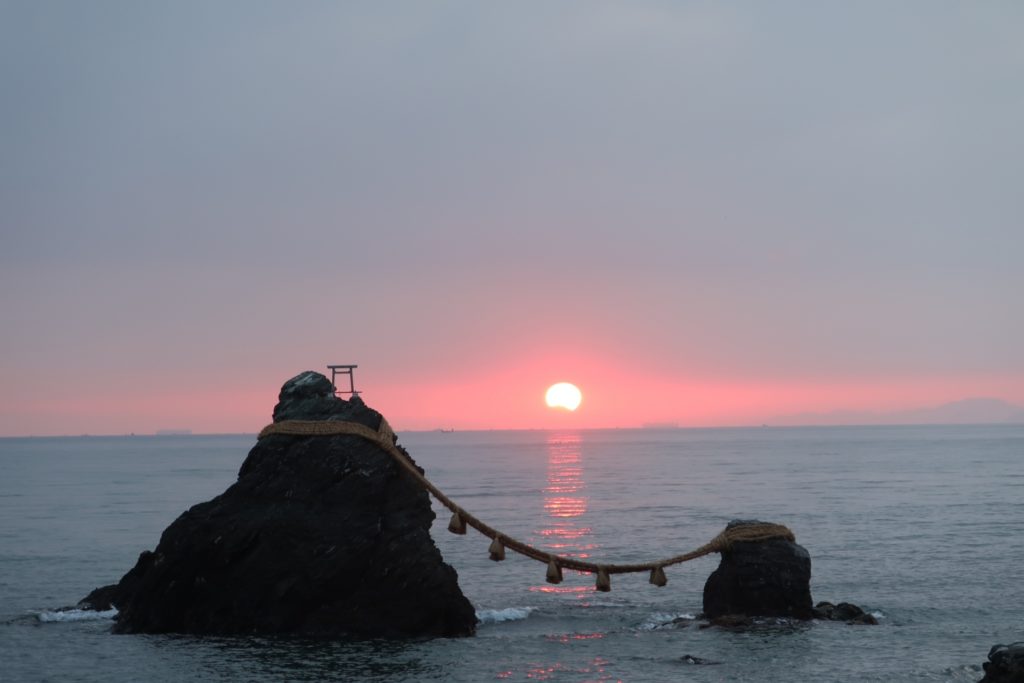
At Futami Okitama Shrine in Mie Prefecture, the Midsummer Festival is held every year. The ceremony begins early in the morning at 3:30 a.m., and many visitors perform “misogi” while admiring the sunrise. The “Married Couple Rocks” are located off the coast of Futami Okitama Shrine and offer a spectacular view of the morning sunrise.
Seventy Two Appearances (七十二候)
The 24 seasons each divide three seasons and further express the subtle changes in seasons. These are referred to as the “72 appearances” and were commonly used, especially in agriculture, in ancient Japan and China.
初候 (1st 5days) (Japan) 乃東枯 Summer withering grass (Eustoma grandiflorum) withers.
(China) 鹿角解 Antlers fall off a deer’s head.
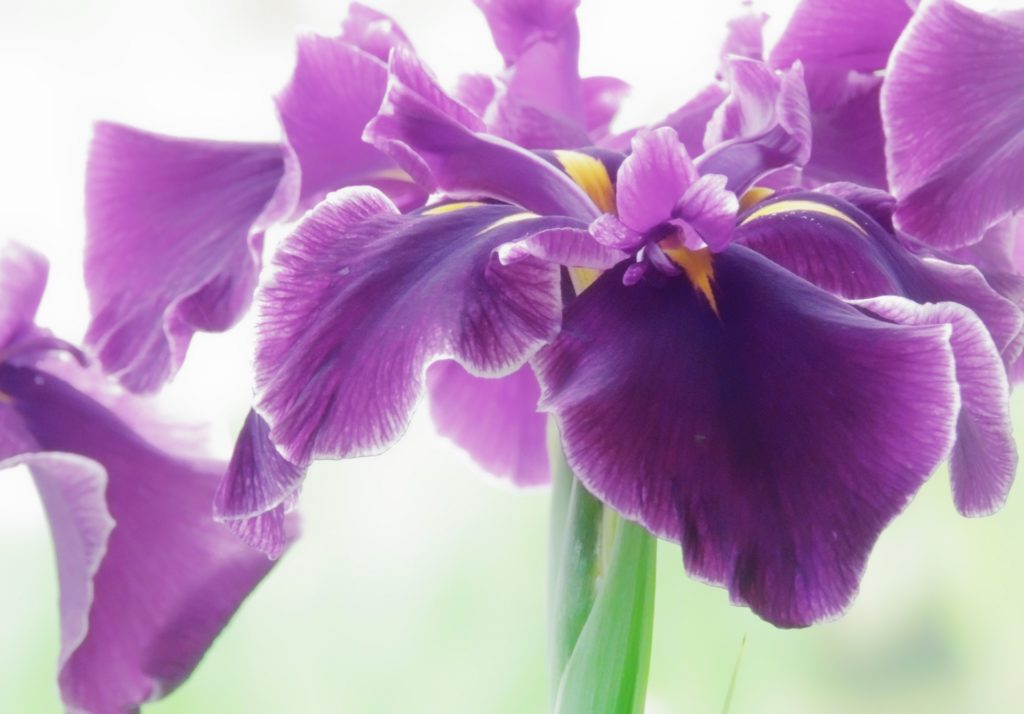
次候 (2nd 5days) (Japan) 菖蒲華 Iris flowers bloom.
(China) 蜩始鳴 Cicadas begin to sing.
末候 (Last 5days) (Japan・China) 半夏生 Ravenous ladle grows.


コメント