
“Kokuwu” in 2023 is on April 20 or 21.
According to the fixed-weather method, this is when the solar longitude is 30 degrees. According to the equilibrium method, it is about 121.75 days after the winter solstice, which is around April 22. From then on, about 15 days are called “Kokuwu”.
“Kokuwu” represents the rain that helps the growth of grains. It is said to come from the time when the fields are ready and the spring rains begin to fall.
Traditional custom (風習)
In this season, various flowers that represent Japan begin to bloom.
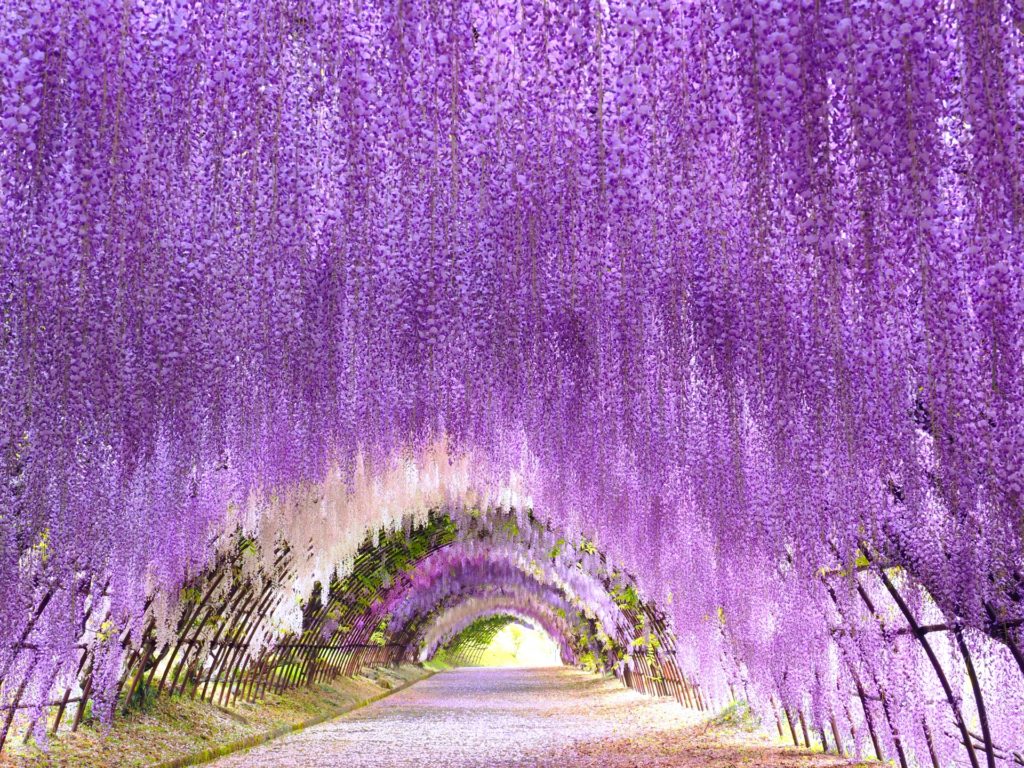
First is the wisteria flower. We often admire them as wisteria trellises or “bonsai”. The flowers hang down all over the place, making us feel as if we are in a purple curtain.
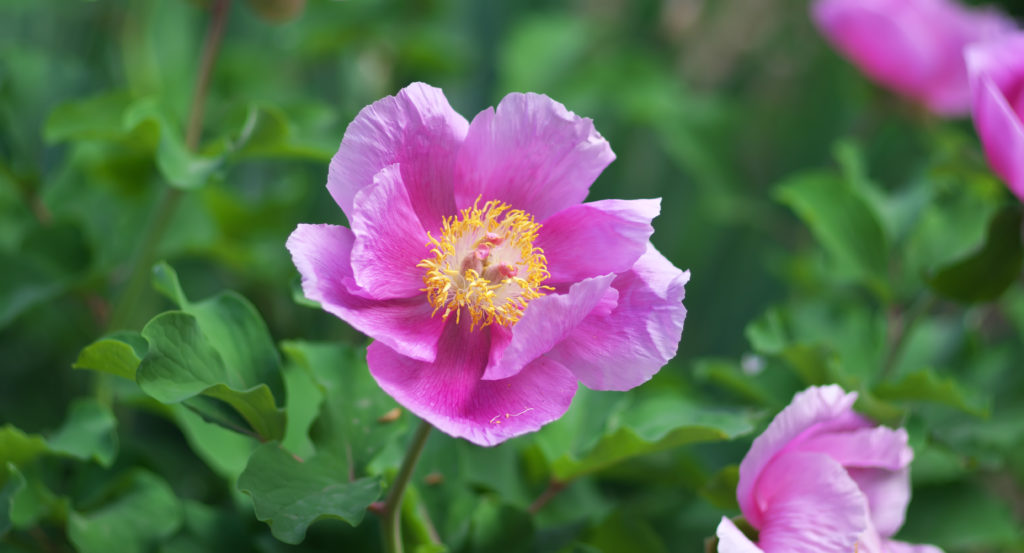
It is also at this time of year that peonies begin to bloom. Peonies are often used to describe the beauty of women. It is a flower often expressed in poetry and other forms of expression.
Among vegetables, foods that have stored nutrients during the winter, such as bamboo shoots, peas, and asparagus, are in season.
Among fish, the best season is the yari-ika (Japanese spear squid). Fresh squid has a sweet taste and is essential for eating raw.

Seventy Two Appearances (七十二候)
The 24 seasons each divide three seasons and further express the subtle changes in seasons. These are referred to as the “72 appearances” and were commonly used, especially in agriculture, in ancient Japan and China.
初候 (1st 5days) (Japan)葭始生 The reeds begin to sprout.
(China)萍始生 Floating weeds begin to sprout.
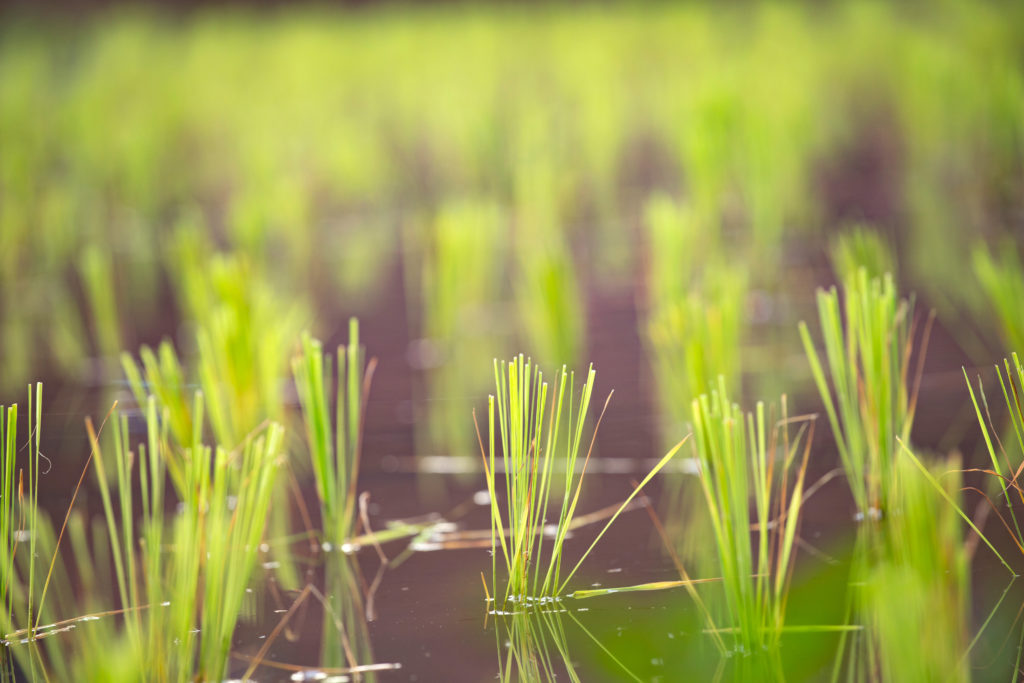
次候 (2nd 5days) (Jappan)霜止出苗 Rice seedlings grow after the frost is over.
(China)鳴鳩払其羽 Singing dove paying off its wings.
末候 (Last 5days) (Japan)牡丹華 Peony Blossom Blooms.
(China)載勝降干桑 A bird perches on a mulberry tree to give birth to silkworms.


コメント