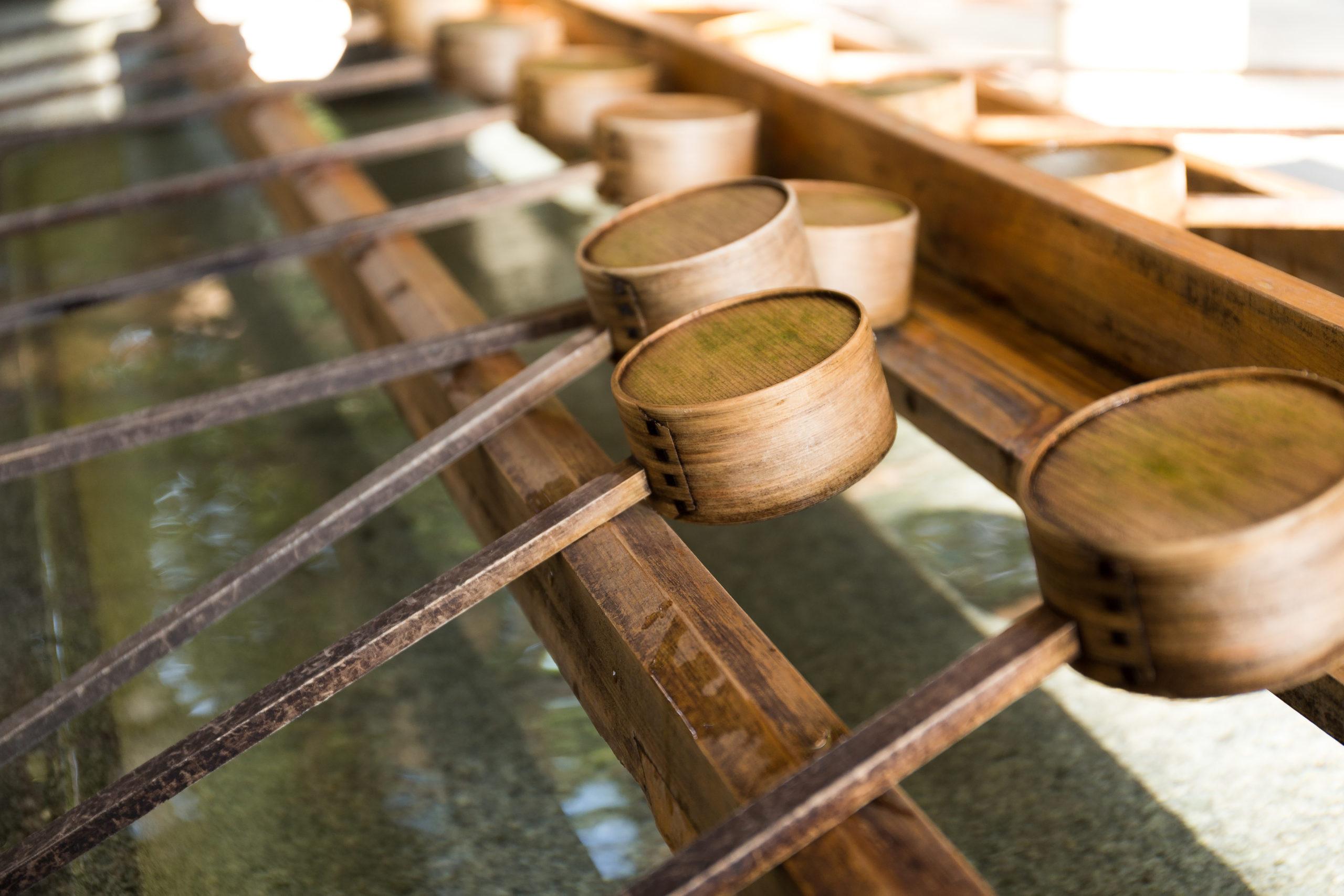
Seimei in 2023 is on 5th April.
It is a season spring equinox has passed and a fresh breeze has begun to blow, bringing joy and brightness as new buds begin to sprout from the earth.
In Japan, it marks the start of the school year and the beginning of the fiscal year for businesses, the word of “start” exists in this season.
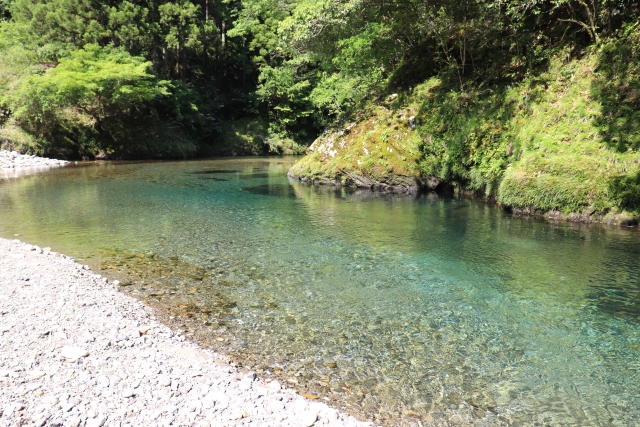
Traditional custom
In Japan, there are no specific custom during this period, but in China, tomb-sweeping rituals are performed similar to Japan’s “Obon” period. This custom is known as Qingming Festival and is also referred to as Tomb-Sweeping Day in China.
In China, it is customary for people to return home and have a meal together with their families at the gravesite, just like in Japan. However, in the vast country of China, returning home means a large-scale migration of people, making it a significant festival.
This period is also referred to as the “Cold Food Festival” in China, and there is a tradition of eating cold food. In China, cold food is generally considered not to be good for the body, so this is an exception.
The origin of this tradition is said to be based on a story from the 7th century BC about a Chinese prince, King Wen of Jin, and his loyal servant, Jie Zitui.
In brief, King Wen fled to the mountains to escape war, but was faced with starvation as food supplies ran out. Jie Zitui’s dedicated work saved King Wen’s life. Later, when King Wen became king and returned to his country, he searched for Jie Zitui with all his might but could not find him. He ordered his officials to search while lighting fires in the mountains. However, the fires caused a mountain fire, and as a result, Jie Zitui was found dead in the charred remains in a sad and pitiful story.
King Wen, who deeply mourned this, decided on the Qingming Festival, which was at that time, to not use fire and eat only cold food, and the name “Cold Food Festival” was left behind.
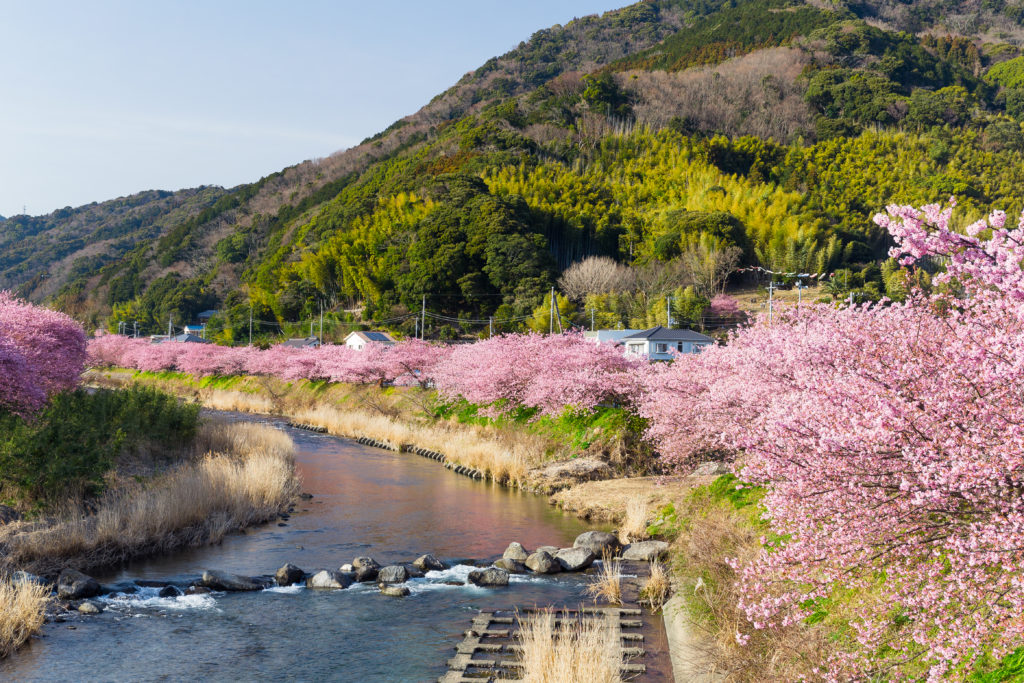
Seventy Two Appearances (七十二候)
The 24 seasons each divide three seasons and further express the subtle changes in seasons. These are referred to as the “72 appearances” and were commonly used, especially in agriculture, in ancient Japan and China.
初候 (1st 5days) (Japan)玄鳥至(Swallows come back from the south)
(China)桐始華 (The Paulownia flowers begin to bloom)
次候 (2nd 5 days) (Japan)鴻雁北(Geese fly back to north)
(China)田鼠化為鶉 (The field mouse turns into a quail)
末候 (Last 5 days) (Japan・China)虹始見(After the rain, the rainbow begins to appear)
Video
Recommended Tours in April
Although it is still a bit chilly, the weather has become mild during the day in this season. How about this tour?
Stay in the vicinity of Ashikaga city and enjoy Ashikaga Flower Park, nearby hot springs, local food and experience tours!
Ashikaga Flower Park Official Website
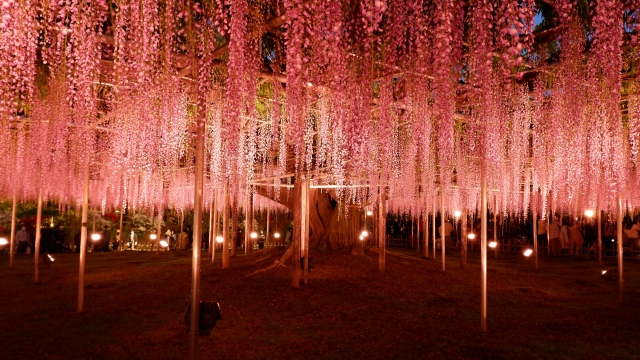
Ashikaga Flower Park… Ashikaga Flower Park, famous for its 360 wisteria trees, is hosting the “Wisteria Festival” from April 16th to May 22nd. The night lights are both fantastic and healing.
Recommended Hot Spring near Ashikaga city is Kinugawa Hot Spring(Abt 40mins from Ashikaga city). Along the beautiful river of Kinugawa, many hotels and hot springs line the banks, warmly welcoming tourists. The city of Nikko, which has the Kinugawa River, also has various other tourist attractions.

コメント