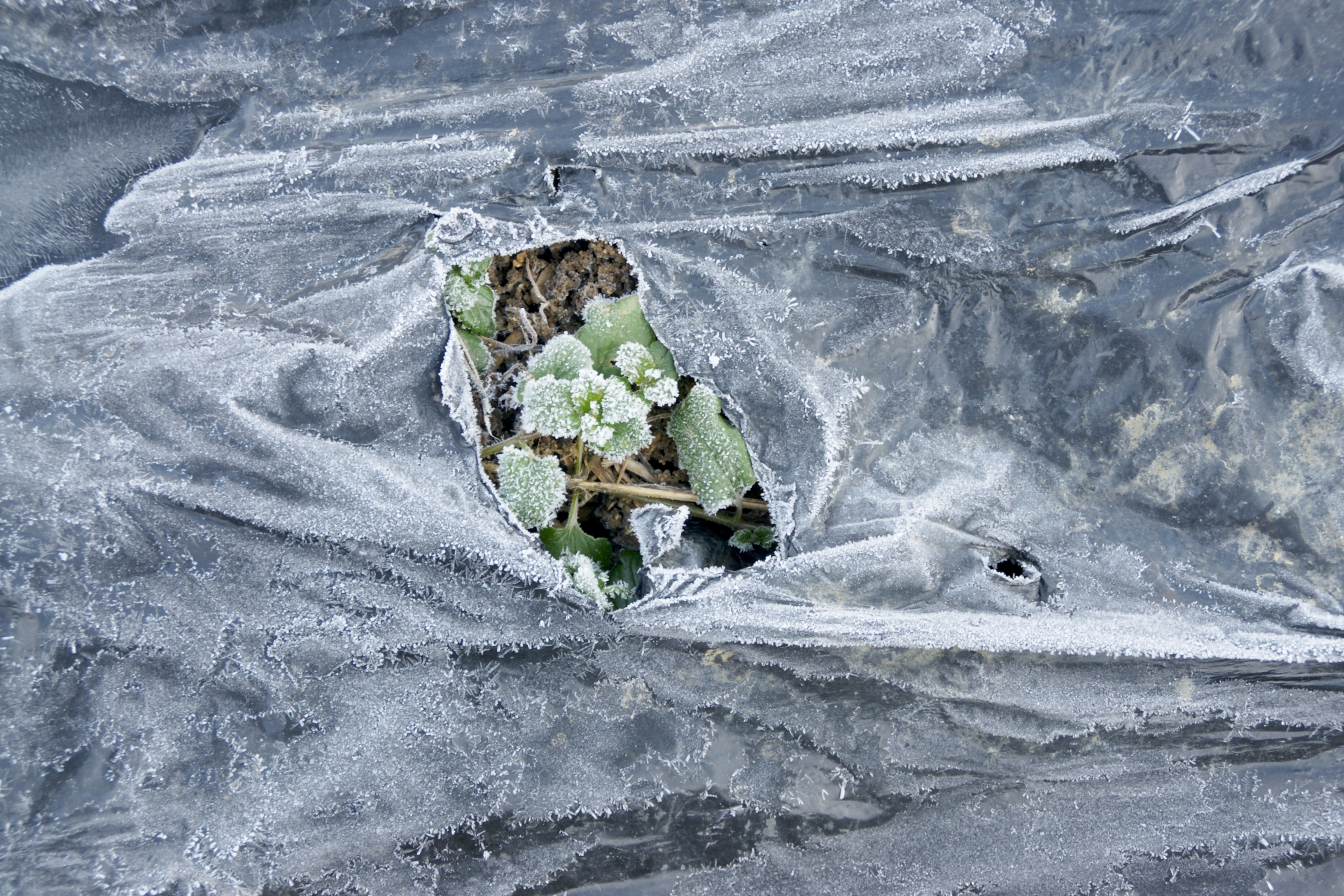
“Shokan” in 2023 is on January 5 or 6.
According to the fixed-weight method, it is when the solar longitude is at 285 degrees. According to the equation, it will be on January 6, about 15.22 days after the summer solstice. From there, about 15 days are called as “Shokan”.
The period between “Shokan” and “Daikan”, the next seasonal cold snap, is called “kan,” “kanchu,” or “kan no uchi”, and the beginning of “Shokan” is also called “kan no iri”, or “the first day of cold”(the beginning of cold). The “coldest part of the year” refers to the 30 days between “Shokan” and “Setsubun”. “Risshun” is the end of the cold season.
In ancient Japanese history, the period from January to March was called spring, and it is clear that our modern sense of the season and skin is different from that of the past.
Traditional custom (風習)
It is customary to send a cold-weather greeting card at the beginning of “Shokan”. This has been done to show sympathy for relatives and close friends who are spending time in the severe cold.
“Kanshiro”, the fourth day after “Shokan”, is considered to be the weather that greatly affects the growth of wheat that year, and is also called the day of bad luck for wheat.
On January 7, it is an ancient custom to have rice gruel with the seven herbs. The seven herbs are Japanese parsley, rape, “gogyo”, “hakobera”, “hotoke-noza”, tinny, and “suzushiro”. It is said to drive away evil spirits and bring good health.
“Kanku” refers to the ninth day after “Shokan”, and the rain that falls on this day is called “Kanku no Ame,” which is an auspicious sign of a good harvest. Furthermore, water drunk on this day is called “kanku no mizu,” which is said to be medicinal. It is said to be so because it is clean and clear water.
January 11 is “Kagamibiraki”. It is customary to eat the “Kagamimochi” (rice cake) offered to the gods in the form of “Zoni”(Soup) or other dishes. Since “Kagamimochi” is sacred, it is smashed with a wooden hammer instead of using a knife. This act is called “Kagamibiraki”.
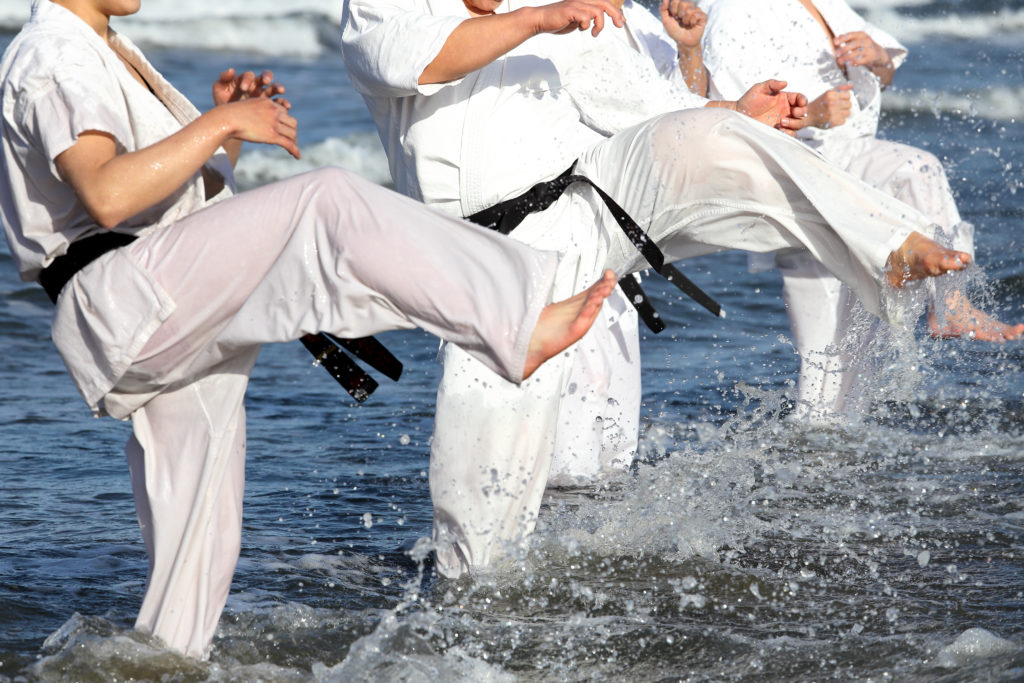
Although we don’t see it much anymore due to the change in the way people think about health, cold practice, swimming in the cold, and friction with towel in cold were all held during this “cold” season.
Seventy Two Appearances (七十二候)
The 24 seasons each divide three seasons and further express the subtle changes in seasons. These are referred to as the “72 appearances” and were commonly used, especially in agriculture, in ancient Japan and China.
初候 (1st 5days) (Japan)芹乃栄 “Seri” (Japanese parsley) grows well.
(China)雁北郷 Geese begin to fly north.
次候 (2nd 5days) (Japan)水泉動 A frozen spring in the ground begins to move.
(China)鵲始巣 The magpies begin to build their nests.
末候 (Last 5days) (Japan・China)雉始雊 Male pheasants begin to chirp.



コメント