
“Boushu” in 2023 is on June 5 or 6.
According to the fixed-weight method, it will be when the solar longitude is 75 degrees. According to the equinoctial method, it will be June 7, approximately 167.40 days after the winter solstice. From there, about 15 days will be called “Boushu”.
The word “Boush” refers to a grain with a “glutinous millet” (like the chaff of rice), which is the part of a rice plant that encases the fruit, and “glutinous seed” means sowing the seed.
Traditional custom (風習)
During this time of year, the rainy season, things that go well with water tend to become a seasonal feature.
Take hydrangeas, for example. They look good wet in the rain.
Rice planting and fresh tomatoes also remind us of water.
Father’s Day, a day to express gratitude to fathers, will be on June 19 in 2023.

Seventy Twe Appearances (七十二候)
The 24 seasons each divide three seasons and further express the subtle changes in seasons. These are referred to as the “72 appearances” and were commonly used, especially in agriculture, in ancient Japan and China.
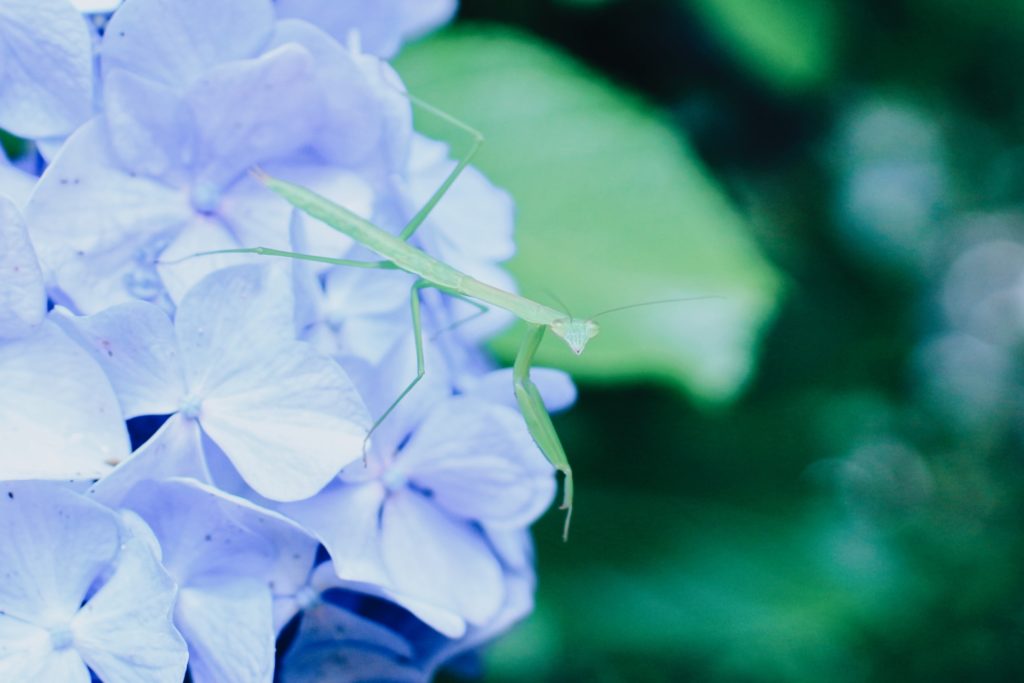
初候 (1st 5days) (Japan・China) 蟷螂生 A mantis is born and emerges.
次候 (2nd 5days) (Japan) 腐草為蛍 Rotting grass becomes steaming fireflies.
(China) 鵙始鳴 Shrike begin to chirp.
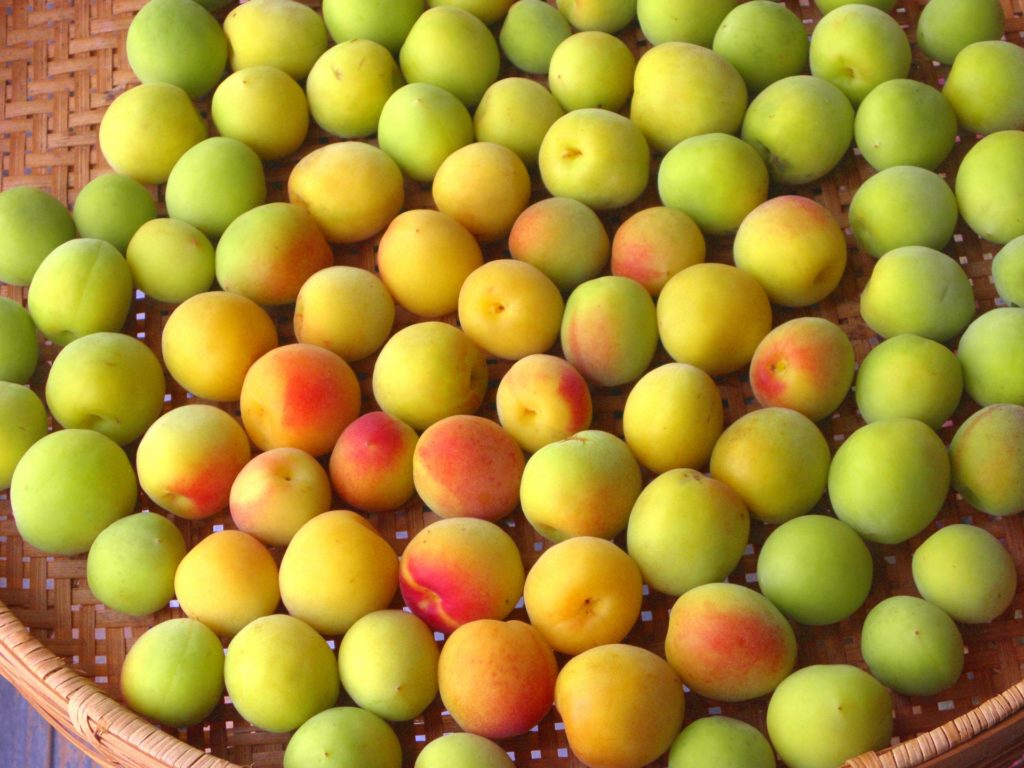
末候 (Last 5days) (Japan) 梅子黄 Plum fruits turn yellow and ripen.
(China) 反舌無声 Antelope birds (black-necked storks) stop singing.
Video (動画)


コメント